


Workers in Zimbabwe say they have nothing to celebrate as living standards for most of them have plummeted.
They ascribed this to their very low salaries, coupled with high taxes of up to 40% of their earnings.
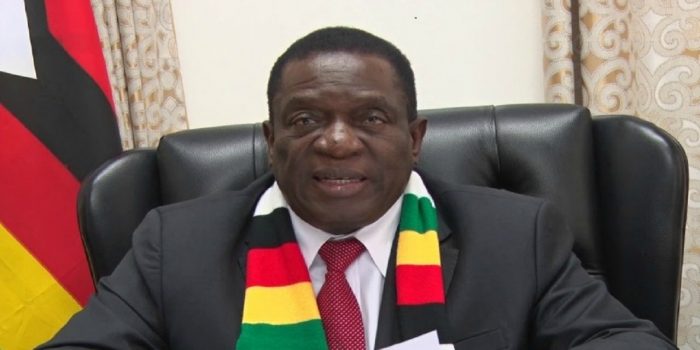
According to President Emmerson Mnangagwa, his country’s economy expanded by 7.4% in 2021 and is projected to increase by an additional 5.5% this year.
However, workers say this growth has not translated into tangible gains for them.
President of the Federation of Education Unions of Zimbabwe, Richard Gundani says, “Today is a special day. It is a day that we observe in spite of the difficulties that we have had over the years, reaching rock bottom particularly this year as we observe Workers’ Day. The issue of conditions of service is what we are seized with. The nine unions that we are representing in education are making a strong voice to say, government and the employer must, as a matter of urgency, make sure that the issue of salaries has been addressed. It is a painful truth that the salaries are less than a third of the poverty line. It hurts that educators are working in an environment where their total remuneration cannot take them to work and work every day of the month.”
General Secretary of Zimbabwe Agricultural Professionals Association, Zivaishe Zhou says most workers are forced to supplement their salaries with side incomes such as selling vegetables, groceries or second-hand clothes.
“Members are crying. Their tears might not be seen outside the country, might not be seen in their houses, but these tears are still drizzling day in and day out. The issue is we are not earning anything, but we are just doing a community service to our government.”
Opposition leaders believe the current administration has failed workers and are calling on government to bring back dignity to all employees.
Leader of the Citizens Coalition for Change, Nelson Chamisa, says, “There are a lot of challenges. The minimum wage is very low, and workers have no living wage. They have no decent wage. We want workers to be restored through a decent wage. As you know, the RTGS or bond note has not meant anything because of inflation. In April, it was at 96%. That tells you how difficult it is. The price basket is beyond the reach of many. That poverty is making life difficult for workers and our commitment is to say, if we are to change the situation and to restore the dignity of workers, there has to be a change of government.”
However, President Emmerson Mnangagwa has commended workers and called on employers to improve the wages, salaries and welfare of their employees in line with the country’s growing economy.
“A prosperous society is only possible if you as workers continue to play your part. As a country, we commend you for your efforts that have led to the present growth trajectory in our capacity utilisation, which is now at 66%. Through the hard-honest work of our workers, the Zimbabwean economy has now graduated from stabilisation to growth. ln this regard, your dignity, as workers, your value, wages and salaries must be commensurate with the resultant improving macro-economic fundamentals. Employers are challenged to respect and honour the efforts being made by workers in modernising and industrialising Zimbabwe. The workplace should be a place of harmony and fulfilment.”
Zimbabwean workers find themselves between a rock and hard place. Either they make do with their meagre earnings or quit work and have no income at all.
They say all the while, they will continue their demand for better pay and working conditions.
Schools open this Tuesday and educators have already threatened not to report for duty, citing incapacitation, due to the erosion of their salaries, caused by high inflation.